
By SoliVana Wellness · March 5, 2026
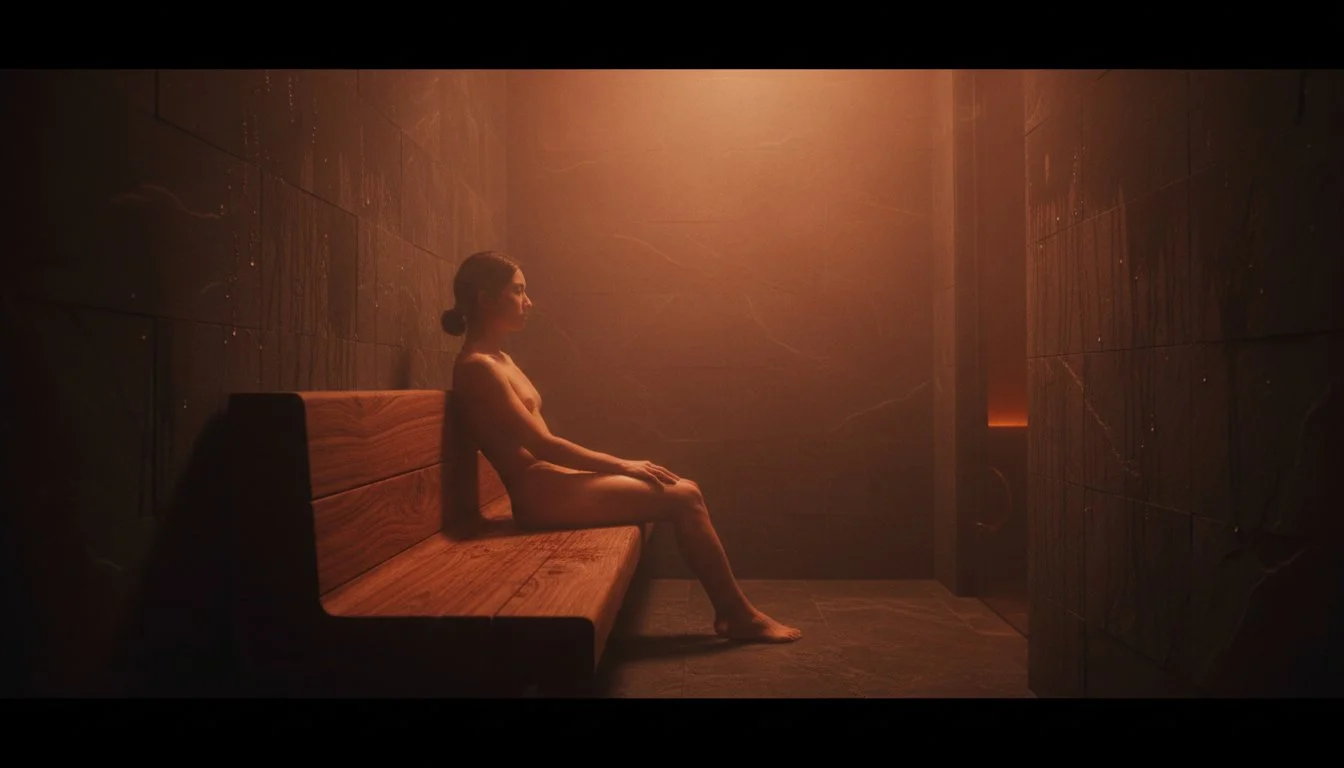
The cultural setting of the banya
A Russian banya is a bathing tradition as well as a heated room. The earlier discussion described time in the steam room, cooling breaks and a social rhythm of washing and rest. A venik is a bundle of leafy branches, often birch or oak, used in traditional bathing rituals. Its movement, scent and contact are parts of the ritual, not evidence of detoxification or a medical massage effect.
Banya, Finnish sauna and Turkish hammam are not interchangeable names. Their traditions differ in steam, heat, washing and social conventions, although actual venues vary. A hammam is generally associated with warm, humid bathing and washing; a banya commonly centers on a hotter steam-room ritual. Ask a venue what it actually offers rather than inferring the setup from a label.
Banya and infrared are different experiences
Infrared equipment delivers radiant heat, while a traditional steam-room experience relies on heated air, surfaces and added humidity. Humidity changes how readily sweat evaporates, so an air-temperature comparison alone does not tell you how intense a room will feel. Neither format is inherently superior for weight loss or “cellular renewal.”
SoliVana’s current Fire & Ice Contrast offering is an infrared-sauna and cold-plunge experience, not a claim that the studio provides a traditional Russian banya or venik service. For a cultural banya visit, confirm clothing rules, shared-space etiquette and whether accessories are supplied with that particular operator.
Questions About This Topic
Does sweating produce lasting weight loss?
An immediate scale change after heat is largely fluid loss, not evidence of fat loss. Rehydration and appropriate heat precautions matter more than chasing a sweating target.
Should a beginner copy a traditional hot–cold ritual?
No fixed number of rounds or immersion time suits everyone. Heat and cold both impose physiological stress; suitability and a comfortable exit take priority over completing a ritual.
A traditional banya is a steam-bath tradition that can include a venik ritual; Solivana’s Fire & Ice Contrast uses infrared sauna and cold plunge instead. Do not book it expecting steam, venik services or a hammam. Compare the actual heat setting, group capacity and visit format when choosing a venue.
- Wear comfortable, light-coloured clothing and skip heavily perfumed products. Salt may leave a light dust on dark fabric. This is a dry, seated experience, so choose it for the atmosphere and unhurried time rather than expecting the sensation of a sauna or float.
Preparing for Your Visit
Wear a shirt with sleeves and full-length leggings or light pants, with no skin exposed beneath the compression suit. Discuss garment fit and mobility needs before the appointment so the clothing and setup are appropriate for you.
Keep the first visit simple. Choose one experience, leave room for preparation and changing, and note what was comfortable or inconvenient afterward. Those observations can guide another visit without turning rest into a performance test.
REST Float takes place in a private suite, while Salt Room Halotherapy is communal and may be shared. If privacy is important, ask about the specific experience, changing arrangements and handling of personal information before booking; a private room does not establish a confidentiality or soundproofing guarantee.
Making Time for the Experience
There is no established Solivana session count or schedule that guarantees a health result. Start with a visit that fits your interests, budget and suitability, then decide whether the experience is something you want to repeat. Avoid buying a series on the expectation of a particular biomarker change.
Steam traditions: banya, Finnish sauna and hammam
A banya is associated with Russian bathing traditions and repeated visits to a humid heated room, with rest between rounds. Finnish sauna traditions are often described as drier, although pouring water over hot stones also creates temporary bursts of steam. Neither label alone tells you the temperature, humidity or rules at a particular venue.
A venik is a bundle of leafy branches, commonly birch or oak, used in traditional banya practice. The associated ritual, sometimes called parenie, is part of the cultural experience rather than a necessary component of modern infrared sauna use. Its presence in a historical discussion does not mean it is offered at Solivana.
How does a Turkish hammam differ from a banya?
A hammam commonly centres on warm, humid rooms and washing rituals, sometimes including exfoliation and soap massage on a heated stone surface. A banya more often emphasises rounds of steam bathing and cooling. Practices vary by venue and region; check the actual service rather than booking by the name alone.
Further Reading and Visit Details
- [Background reference](https://en.wikipedia.org/wiki/Banya_(sauna)
- Background reference
- Related information
- Related information