
By SoliVana Wellness · December 20, 2023
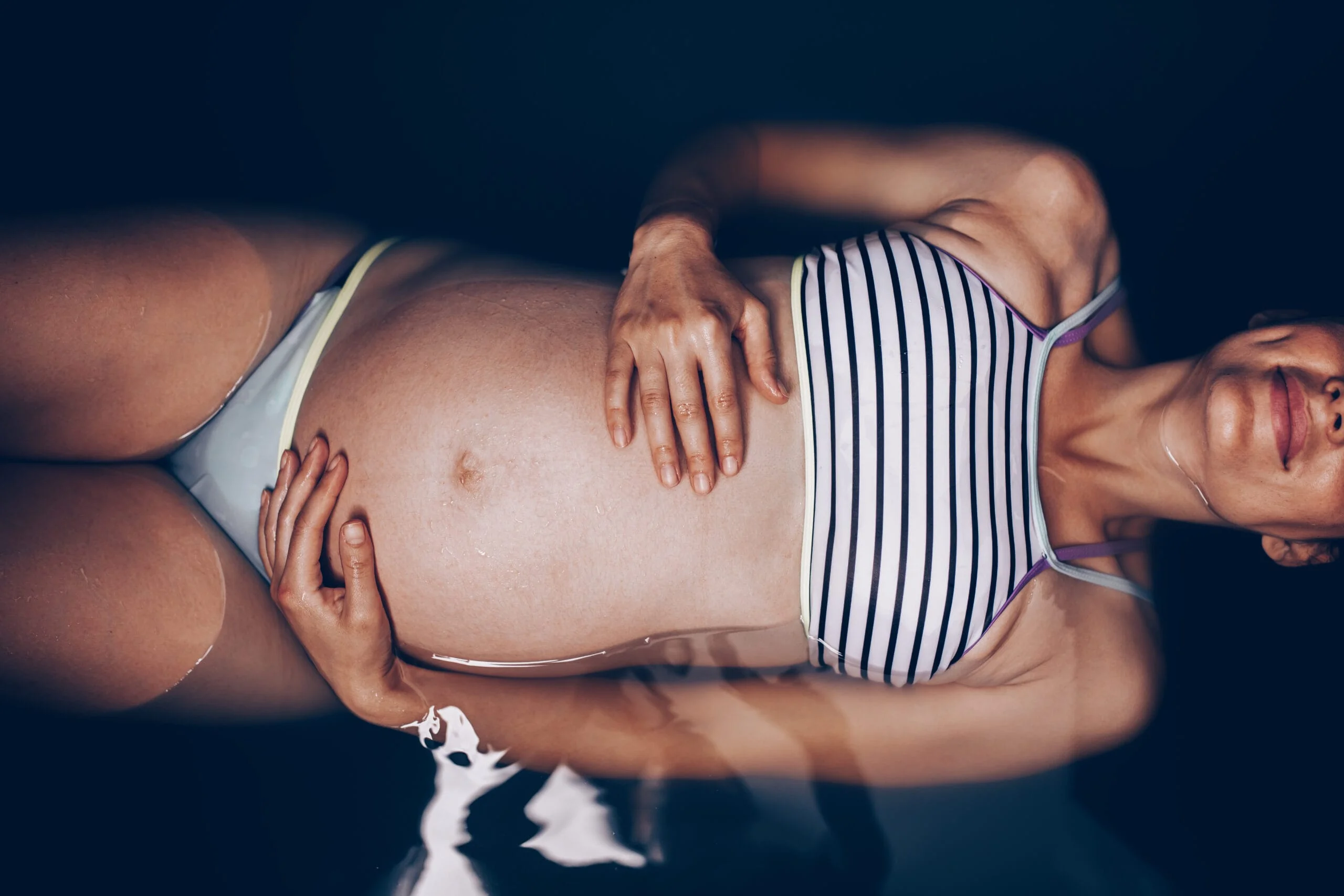
Pregnancy changes the planning conversation
This article explored buoyancy, physical comfort, rest and time to connect with the experience of pregnancy. These can be discussed as possible subjective attractions without claiming treatment of edema, blood pressure, back pain or pregnancy-related anxiety. Relief of a sensation during rest does not establish a medical benefit to the parent or baby.
Entry and exit, balance, fatigue and comfort lying in the water deserve attention alongside the sensory setting. New pain, swelling, bleeding or other concerning symptoms belong with your prenatal clinician, not a wellness assessment. Current booking restrictions below override broader statements in the original article.
Buoyancy and reduced stimulation: what the setup does
In flotation-REST, restricted environmental stimulation refers to reducing external inputs, not eliminating all sensation. Dense Epsom-salt water supplies buoyant support; darkness and silence are options rather than requirements for a successful visit. Gravity does not disappear, and buoyancy should not be described as spinal treatment or proof of magnesium absorption.
Research on flotation includes small studies of self-reported stress and anxiety. Samples, comparison groups and follow-up periods vary. Quiet rest, expectations and the setting can contribute to reported changes, so proposed mechanisms involving cortisol, the amygdala or brain waves should not be presented as measured effects of a SoliVana session.
Questions About This Topic
Can buoyancy make floating automatically suitable in pregnancy?
No. SoliVana does not book any experience in the first trimester. Later, consult your OB/GYN or midwife and discuss the actual setup; pressotherapy is excluded throughout pregnancy.
Warm, buoyant water and a private room offer a very different kind of pause from sitting on the sofa. REST Float gives you time away from conversation and screens, with lighting and music you control.
No Solivana experience is booked during the first trimester. Later in pregnancy, check with your OB/GYN or midwife before booking any experience. Pressotherapy is not booked at any stage of pregnancy. For a possible float, discuss comfort, entry and exit and your individual circumstances rather than assuming that buoyancy makes it suitable.
All three float rooms use the same tanks. Room 3 has a larger ADA shower with a fold-down seat. If access or enclosure is a concern, discuss the layout and getting in and out before booking rather than assuming a particular room will suit you.
Choosing Your Visit
Enclosed spaces feel different to different people, so a float is not automatically comfortable for someone with claustrophobia. All three rooms use the same tanks; there is no adjustable canopy. You control lighting and music. Ask about the setup and entry and exit before deciding whether to book.
-
Planning a pregnancy visit: You control float lighting and music; choose the sensory setting that feels comfortable rather than aiming for a particular mental state. No experiences are booked in the first trimester, and pressotherapy is excluded throughout pregnancy.
-
Planning a pregnancy visit: Discuss any new pain, swelling or blood-pressure concern with your prenatal clinician rather than trying to address it with a float. No experiences are booked in the first trimester, and pressotherapy is excluded throughout pregnancy.
Personal comfort is not prenatal monitoring
The original pregnancy article described floating as a quiet opportunity to connect with the experience of pregnancy. That is a subjective possibility, not a promised emotional response. Some people welcome reduced stimulation; others may feel uncomfortable or prefer a different kind of rest.
It also described hearing a baby’s heartbeat. Sounds noticed in a float cannot be used to identify or assess fetal heart activity. A float tank is not monitoring equipment, and either hearing or not hearing a sound says nothing reliable about fetal wellbeing.
Can a float tell me whether my baby is doing well?
No. Follow prenatal advice and the recommended monitoring for your pregnancy. Concerns such as a change in fetal movement belong with your maternity-care team rather than being checked through a wellness experience. Floating should not delay that conversation.
Further Reading and Visit Details
Floating is available from age 14; guests under 18 need a parent or guardian present.