
By SoliVana Wellness · December 20, 2023
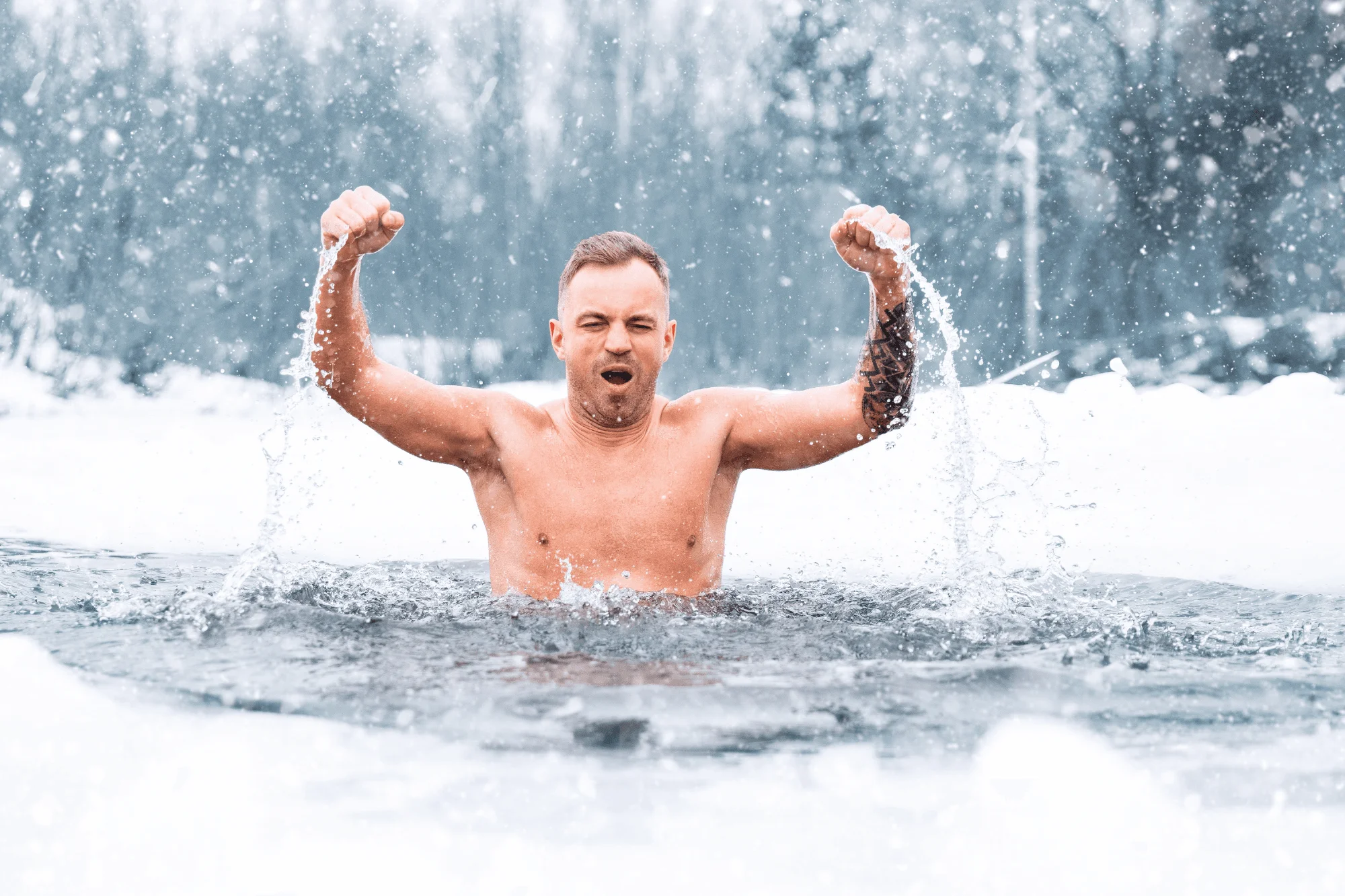
Cold-water practices before the modern plunge studio
The earlier discussion traced cold bathing through ancient bathing cultures, later European hydrotherapy and modern recreational and sports use. Roman bathing complexes included cooler-water spaces alongside heated rooms; cold water also appears in traditions of bathing and seasonal immersion in other cultures. These practices had social, ritual and practical meanings, not one shared scientific explanation.
The nineteenth-century European hydrotherapy movement, associated with figures such as Vincent Priessnitz and Sebastian Kneipp, helped formalize water-based routines. Its historical influence should be separated from the claims made for it: a practice being old or widely repeated does not prove it treats disease.
From sports recovery to contemporary cold plunges
Modern interest brings together sports recovery research, recreational winter swimming and commercial plunge equipment. They should not be treated as the same exposure: a supervised room, an outdoor body of water and post-training immersion differ in temperature, entry, movement and hazards. The modern language of biohacking adds a new interpretation to much older practices.
A historical account can explain why cold water has remained compelling without endorsing every period’s explanation for its effects. Claims about immunity, metabolism or mental resilience require contemporary evidence, not an appeal to ancient authority.
Questions About This Topic
Does a long history show cold immersion works medically?
No. Historical continuity explains popularity and cultural meaning, not clinical efficacy. Contemporary claims require evidence for the actual protocol and outcome.
Step into dry infrared warmth, then choose the sharp contrast of cold water in your own Fire & Ice suite. The appeal is the change in sensation and a visit shaped around your comfort, not an endurance challenge.
Cold-water bathing has appeared in different bathing traditions, but a historical account is not evidence that a present-day plunge prevents illness or improves performance. When comparing traditions, distinguish the social ritual, water setting and historical belief from claims tested with a particular modern protocol.
Timeless Tradition of Cold Plunge in Finnish Culture
Japanese Culture
Japanese bathing traditions include hot bathing and, in some settings, cold-water bathing. Religious water purification and the cold baths found in some onsen or sento are distinct practices; they should not be assigned a single origin or introduction date here.
Religious water-purification traditions should be distinguished from ordinary bathing and modern wellness cold plunges. Their cultural meanings do not establish medical benefits.
Making Time for the Experience
Claims that samurai routinely used cold plunges to prepare for battle require a specific historical source; this article does not establish that account.
Ancient Egypt
Ancient Greece
Ancient Rome
Public bathhouses, a hallmark of the era, further fueled the popularity of cold water immersion. These bathhouses, equipped with pools of water at varying temperatures, allowed patrons to experience the invigorating effects of cold water after indulging in hot springs. Cold water immersion became a favored activity at these establishments, offering a means to refresh one’s body and promote well-being.
The 20th century heralded significant advancements in cold therapy. This era saw the growth of sports medicine and the increasing recognition of cold therapy’s benefits for athletes and active individuals.
Whole-body cryotherapy chambers, ice packs and cold-water immersion are different forms of cold exposure. Their equipment, risks and evidence are not interchangeable; the history of one does not establish benefits or safety for another.
In various traditional cultures, cold water immersion holds spiritual and purifying significance. For instance, in Hinduism, cold water immersion is a crucial component of purification rituals conducted before religious ceremonies. Believers hold that cold water possesses the power to cleanse both body and mind, purifying the soul.
A historical practice is not a modern safety protocol
Cold-water bathing has appeared in bathing traditions, outdoor practices and later sports-recovery settings. Those contexts differ in purpose, supervision and environment. A communal bath, an open-water swim and a temperature-controlled plunge are not interchangeable simply because all involve cold water.
Modern equipment can make some conditions more predictable, but it does not remove the body’s acute response to cold. Historical popularity is evidence of cultural use, not proof of an effective dose or suitability for a person with a health condition.
Should I imitate a historical ice-bath ritual?
No historical account should function as your exposure plan. Water conditions, access, temperature and the ability to leave matter. Treat the history as context for today’s interest, while making any present-day decision using current suitability advice and the actual setting.