
By SoliVana Wellness · March 1, 2026
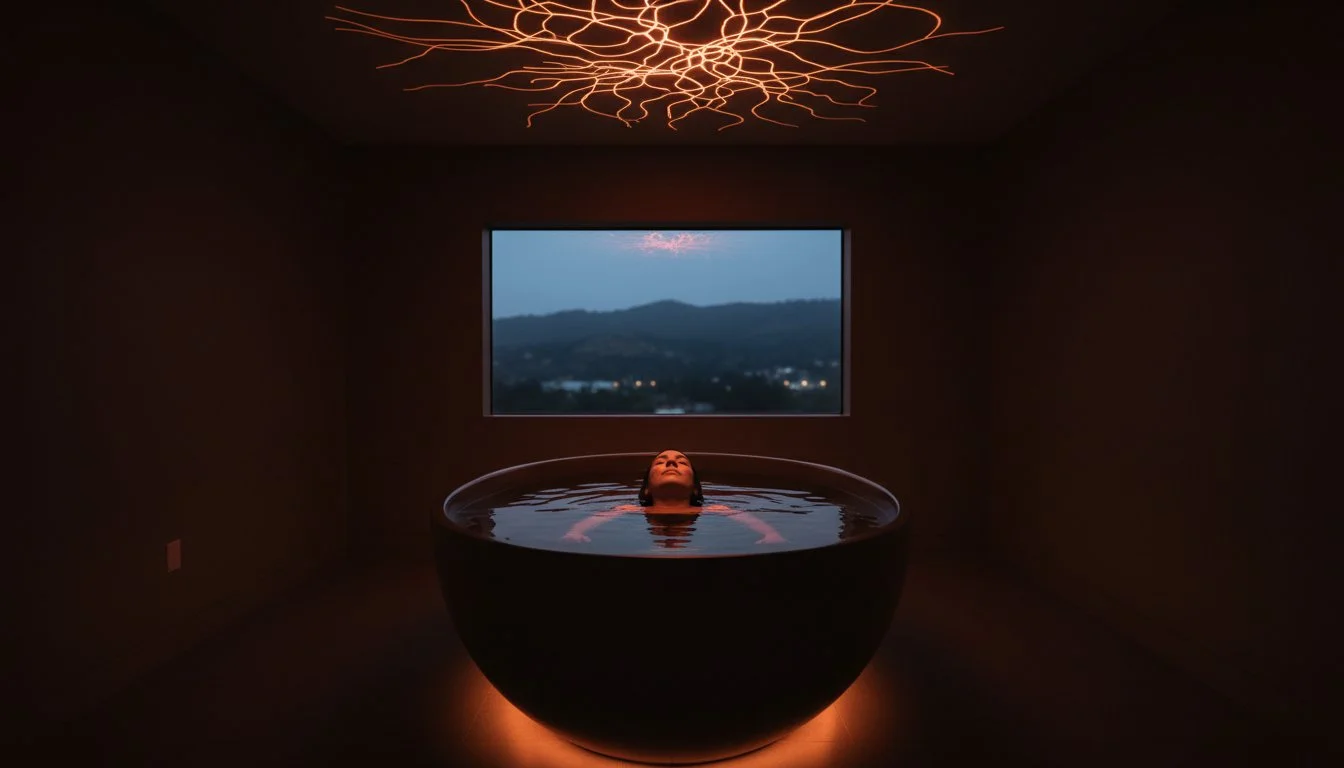
What makes one float experience a better fit
Flotation-REST means flotation with restricted environmental stimulation. Concentrated Epsom-salt water provides buoyancy, while reduced light and sound change the sensory environment. It is not zero gravity: gravity still acts, and the water supports the body. Nor does salt exposure establish absorption sufficient to treat magnesium deficiency.
The earlier discussion emphasized privacy, equipment and hygiene. A private suite describes the room around the tank; “pod,” “tank” and “suite” should not be treated as reliable measures of openness or accessibility. Ask about the actual enclosure, shower layout and getting in and out.
Judging research and water-care claims
Small studies of flotation have explored short-term relaxation, stress and anxiety outcomes. A quiet setting, expectations and simply resting can contribute to those findings. Evidence from a study does not establish a guaranteed result from a local appointment.
High salt concentration is not a substitute for cleaning and water treatment. Ask the team about current filtration, disinfection, between-guest procedures and pre-float showering rather than relying on an unverified filtration schedule or saying the water is sterile.
Questions About This Topic
Is floating better than massage?
They involve different sensations: floating supports you in water, while massage involves touch and pressure. There is no universal winner for recovery; preferences and any clinical needs matter.
How many floats are needed?
No established session count guarantees a reduction in stress. A first visit can help you assess comfort before committing to a package.
Warm, buoyant water and a private room offer a very different kind of pause from sitting on the sofa. REST Float gives you time away from conversation and screens, with lighting and music you control.
Float naked in your private suite and shower before and after the session. Towels, robe, slippers, shampoo, conditioner, shower gel and earplugs are provided. Ask about open wounds, skin conditions, epilepsy or kidney disease before booking.
Choose a REST Float length that fits your day: 45, 60, 75, 90 or 120 minutes, at standard prices of $110, $130, $150, $170 or $210 respectively. Leave time around the water portion for showering and changing, and avoid rushing straight into another commitment.
Preparing for Your Visit
All three float rooms use the same tanks. Room 3 has a larger ADA shower with a fold-down seat. If access or enclosure is a concern, discuss the layout and getting in and out before booking rather than assuming a particular room will suit you.
Wellness experiences can sit alongside ordinary leisure and appropriate healthcare. They do not need to outperform time outdoors, a quiet evening or another preferred form of rest to be worth choosing. Select what fits your interests and budget.
REST Float offers time in warm water saturated with Epsom salt, with lighting and music under your control. The salt makes the water buoyant; the attraction is the unusual sensation of being supported while you take a break from screens and conversation.
Making Time for the Experience
NeuroVIZR Brain Reset is the official name of a 25-minute light-and-sound experience. A practitioner asks about your goals and selects a program. Discuss sensory preferences first; the name does not establish that the device changes brainwaves or treats anxiety.
A demanding work schedule can make protected downtime difficult to arrange. Put the appointment in a realistic gap, allow for the journey and resist packing every spare minute with another task. The value is dedicated time away from everyday demands.
REST Float takes place in a private suite, while Salt Room Halotherapy is communal and may be shared. If privacy is important, ask about the specific experience, changing arrangements and handling of personal information before booking; a private room does not establish a confidentiality or soundproofing guarantee.
Choosing Your Visit
Ask about current float-water maintenance and between-guest cleaning before booking if you would like those details. Do not infer a specific filtration cycle, disinfection method or sterility guarantee from the salt content. Open wounds and skin concerns should be discussed before a visit.
- Enclosed spaces feel different to different people, so a float is not automatically comfortable for someone with claustrophobia. All three rooms use the same tanks; there is no adjustable canopy. You control lighting and music. Ask about the setup and entry and exit before deciding whether to book.
For a workplace visit, begin with group size, available time and individual preferences rather than a productivity target. Ask about current group booking options and which sessions are private or shared. Participation should be optional, with no expectation that employees disclose health information to colleagues.
Keep the first visit simple. Choose one experience, leave room for preparation and changing, and note what was comfortable or inconvenient afterward. Those observations can guide another visit without turning rest into a performance test.
If enclosed spaces concern you, ask about the float layout before booking. All three rooms use the same tanks; there is no adjustable canopy. You control lighting and music. Discuss entry, exit and comfort with staff rather than assuming you can stand inside the tank or leave a door ajar.
There is no established Solivana session count or schedule that guarantees a health result. Start with a visit that fits your interests, budget and suitability, then decide whether the experience is something you want to repeat. Avoid buying a series on the expectation of a particular biomarker change.
Wait at least three weeks after colouring your hair before floating, and longer if colour still runs when rinsed. This applies even if a shorter wait appears in general hair-care advice. Check with your stylist about highlights, henna or keratin treatments, and confirm suitability before booking; no timing rule guarantees that colour or a treatment will be unaffected.
Fresh tattoos and hair colour need separate planning
The original float guide raised two issues that are easy to overlook when comparing venues: recently tattooed skin and recently coloured hair. A tattoo that is still healing should not be immersed in a shared float solution. Follow the tattoo artist’s aftercare and ask the studio about its current booking requirements rather than treating a fixed number of weeks as proof of healing.
Hair colour presents a different concern: dye can transfer into the solution or onto equipment, and salt exposure may affect the colour. A permanent dye, a vivid semi-permanent colour and a lightening treatment are not the same process.
Can I float immediately after a salon appointment?
Do not assume that you can. Tell the studio and your stylist what product or treatment was used. Colour transfer in the shower or onto a towel is a reason to postpone and seek advice, not something to conceal with a cap. Salt compatibility also matters for smoothing treatments.