
By SoliVana Wellness · May 23, 2026
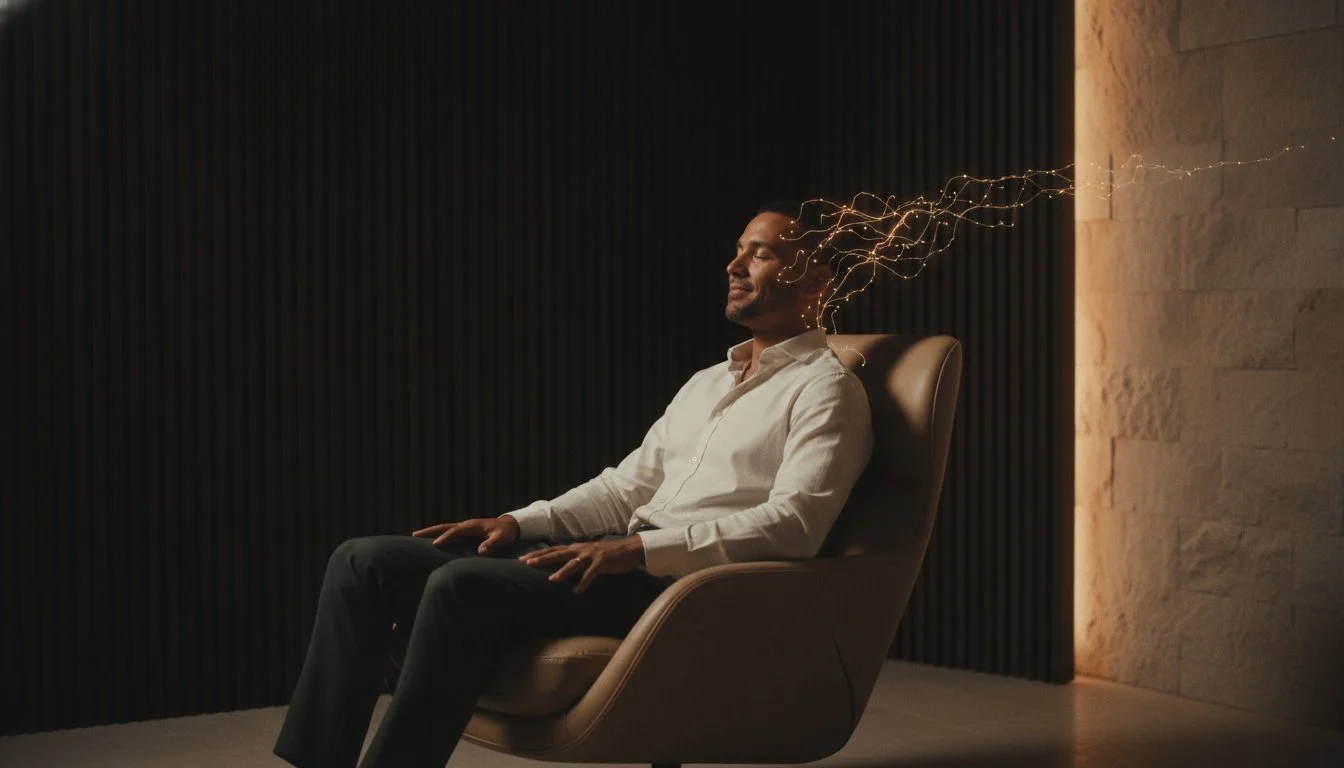
Heat and cold do not cancel each other out
Heat encourages heat loss through changes including sweating and increased skin blood flow; sudden cold causes a different immediate response, including skin blood-vessel constriction and faster breathing. Alternating them is a sequence of stressors, not a cardiovascular workout substitute. The earlier discussion discussed hormesis, the idea that some limited stress exposures can prompt adaptation. That concept does not establish a safe personal dose or prove that stronger exposure builds resilience.
What research can and cannot say about contrast
Studies of sauna, cold-water immersion and alternating temperatures use different populations and protocols. Results from one should not be presented as proof of the combination. An immediate sense of alertness after cold is not evidence of lasting cognitive improvement, a cortisol correction or better executive performance.
Questions About This Topic
Does the appointment duration determine my exposure?
No. A room reservation includes time around the equipment and is not an instruction to stay in heat or water continuously. There is no required number of rounds.
Should I continue if I feel unwell?
No. Stop the exposure and seek help. Chest pain, fainting or severe breathing difficulty requires urgent medical attention, not another round or a wellness explanation.
Step into dry infrared warmth, then choose the sharp contrast of cold water in your own Fire & Ice suite. The appeal is the change in sensation and a visit shaped around your comfort, not an endurance challenge.
Before heat or cold exposure, consult your clinician about cardiovascular conditions, blood-pressure disorders, medications or pregnancy. Do not use a plunge to test whether symptoms will go away. Bring questions about entry, exit and time between the sauna and water.
Avoid turning heat or cold into an endurance challenge. Discuss suitability, temperature sensitivity and the option to skip the plunge before purchasing. Stop if you feel unwell; an appointment length is not an instruction to remain in either temperature continuously.
Precautions Before Booking
- Pressotherapy is not booked during pregnancy at any stage. Seek clinical guidance before booking with deep vein thrombosis, blood clots, active infection or a circulatory condition; swelling or persistent pain needs medical assessment rather than a wellness-session diagnosis.
A demanding work schedule can make protected downtime difficult to arrange. Put the appointment in a realistic gap, allow for the journey and resist packing every spare minute with another task. The value is dedicated time away from everyday demands.
- Personal tracking can be useful for noticing patterns, but a wearable reading does not diagnose burnout or establish that a session changed nervous-system function. Consider the wider context, including work demands, daily habits and any symptoms that need professional assessment.
Making Time for the Experience
A useful wellness plan starts with preferences you can describe: quiet or sensory stimulation, a short appointment or a longer break, time alone or a shared setting. Compare the actual format and practical requirements before choosing an experience.
Wellness experiences can sit alongside ordinary leisure and appropriate healthcare. They do not need to outperform time outdoors, a quiet evening or another preferred form of rest to be worth choosing. Select what fits your interests and budget.
Fire & Ice Contrast pairs an infrared sauna with a 48–54°F cold plunge in a private suite. It is a distinctly different experience from a steam bath: compare how you feel about dry warmth and cold water before deciding which setting appeals to you.
Choosing Your Visit
The small Fire & Ice room accommodates 1–2 people for 45, 60 or 90 minutes. The large room accommodates up to 4 people for 60 minutes, with a 30-minute extension available. Choose the room and time around your party rather than an assumed health target.
Keep the first visit simple. Choose one experience, leave room for preparation and changing, and note what was comfortable or inconvenient afterward. Those observations can guide another visit without turning rest into a performance test.
No Solivana experience is booked during the first trimester. Later in pregnancy, check with your OB/GYN or midwife before booking any experience. Pressotherapy is not booked at any stage of pregnancy. For a possible float, discuss comfort, entry and exit and your individual circumstances rather than assuming that buoyancy makes it suitable.
There is no established Solivana session count or schedule that guarantees a health result. Start with a visit that fits your interests, budget and suitability, then decide whether the experience is something you want to repeat. Avoid buying a series on the expectation of a particular biomarker change.
A blood-pressure condition calls for individual clinical advice before sauna or cold-water exposure. Do not use Fire & Ice Contrast to lower a reading or test your tolerance. Tell your clinician about the planned heat and cold, relevant medications and symptoms, and discuss suitability before purchasing.
The transition between temperatures is part of the experience
Alternating sauna and cold water involves more than adding two appointment types together. Leaving the heat changes how the next temperature feels, and moving immediately into cold water can introduce a sudden respiratory and cardiovascular challenge. A dramatic contrast is not evidence of a better result.
The original discussion used a “vascular gym” analogy for the widening and narrowing of blood vessels with temperature exposure. That analogy describes a response, not proof that the session strengthens the cardiovascular system or replaces exercise. The transition, rest period and decision to skip an exposure deserve as much attention as the equipment.
Must a contrast session start with heat and finish with cold?
No universal order has been established for every goal or every person. Do not copy a heat-to-cold ratio from an article as a prescription. Ask about the venue’s procedure and whether a single-temperature experience would better fit your suitability and preferences.