
By SoliVana Wellness · March 5, 2026
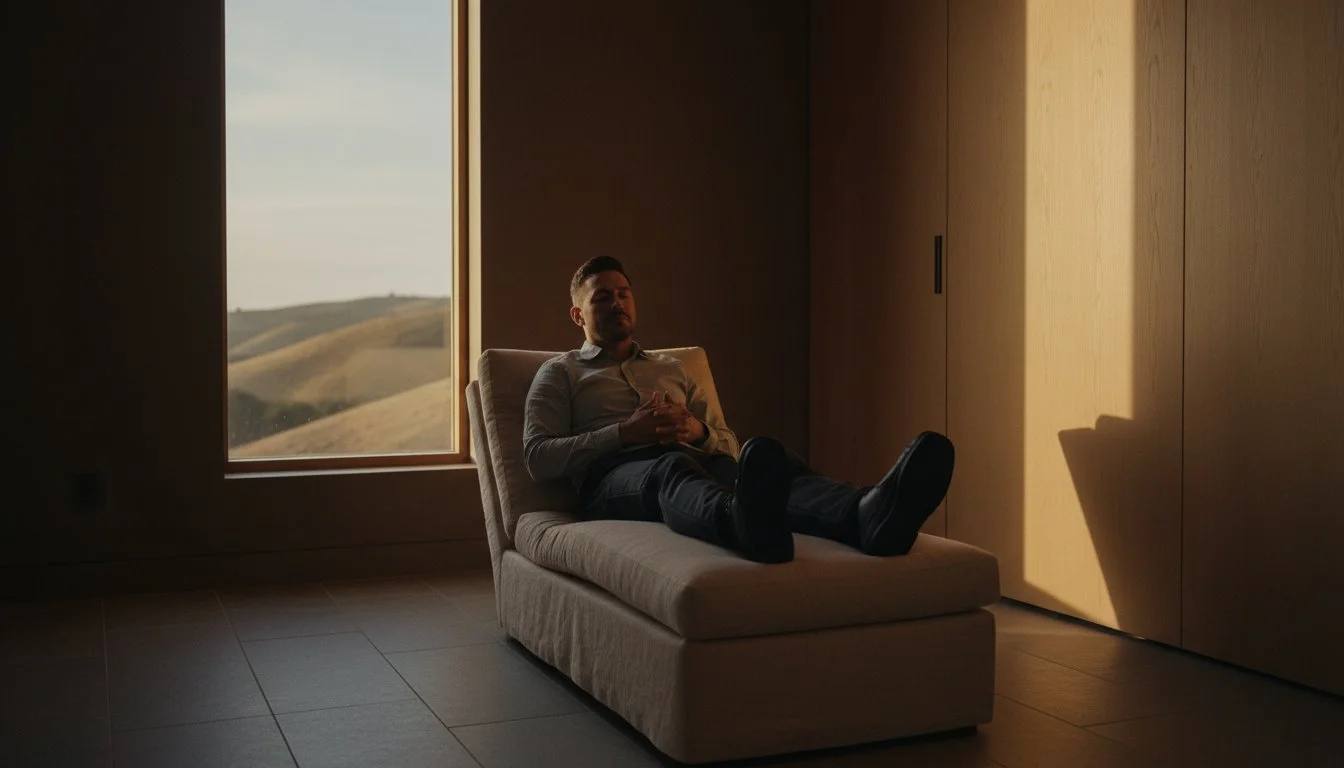
Settle into rhythmic waves of pressure across your legs, abdomen, arms and back. Full-Body Compression Pressotherapy is a clothed, 60-minute session that makes the sensation of compression the focus of your visit.
Wear a shirt with sleeves and full-length leggings or light pants, with no skin exposed beneath the compression suit. Discuss garment fit and mobility needs before the appointment so the clothing and setup are appropriate for you.
- Pressotherapy is not booked during pregnancy at any stage. Seek clinical guidance before booking with deep vein thrombosis, blood clots, active infection or a circulatory condition; swelling or persistent pain needs medical assessment rather than a wellness-session diagnosis.
Choosing Your Visit
Full-Body Compression Pressotherapy is a 60-minute experience in a suit that applies sequential waves of pressure across the legs, abdomen, arms and back. It is whole-body compression, not simply a pair of compression socks or a leg-only session.
Personal tracking can be useful for noticing patterns, but a wearable reading does not diagnose burnout or establish that a session changed nervous-system function. Consider the wider context, including work demands, daily habits and any symptoms that need professional assessment.
A demanding work schedule can make protected downtime difficult to arrange. Put the appointment in a realistic gap, allow for the journey and resist packing every spare minute with another task. The value is dedicated time away from everyday demands.
Making Time for the Experience
A useful wellness plan starts with preferences you can describe: quiet or sensory stimulation, a short appointment or a longer break, time alone or a shared setting. Compare the actual format and practical requirements before choosing an experience.
For a workplace visit, begin with group size, available time and individual preferences rather than a productivity target. Ask about current group booking options and which sessions are private or shared. Participation should be optional, with no expectation that employees disclose health information to colleagues.
Keep the first visit simple. Choose one experience, leave room for preparation and changing, and note what was comfortable or inconvenient afterward. Those observations can guide another visit without turning rest into a performance test.