
By SoliVana Wellness · March 22, 2026
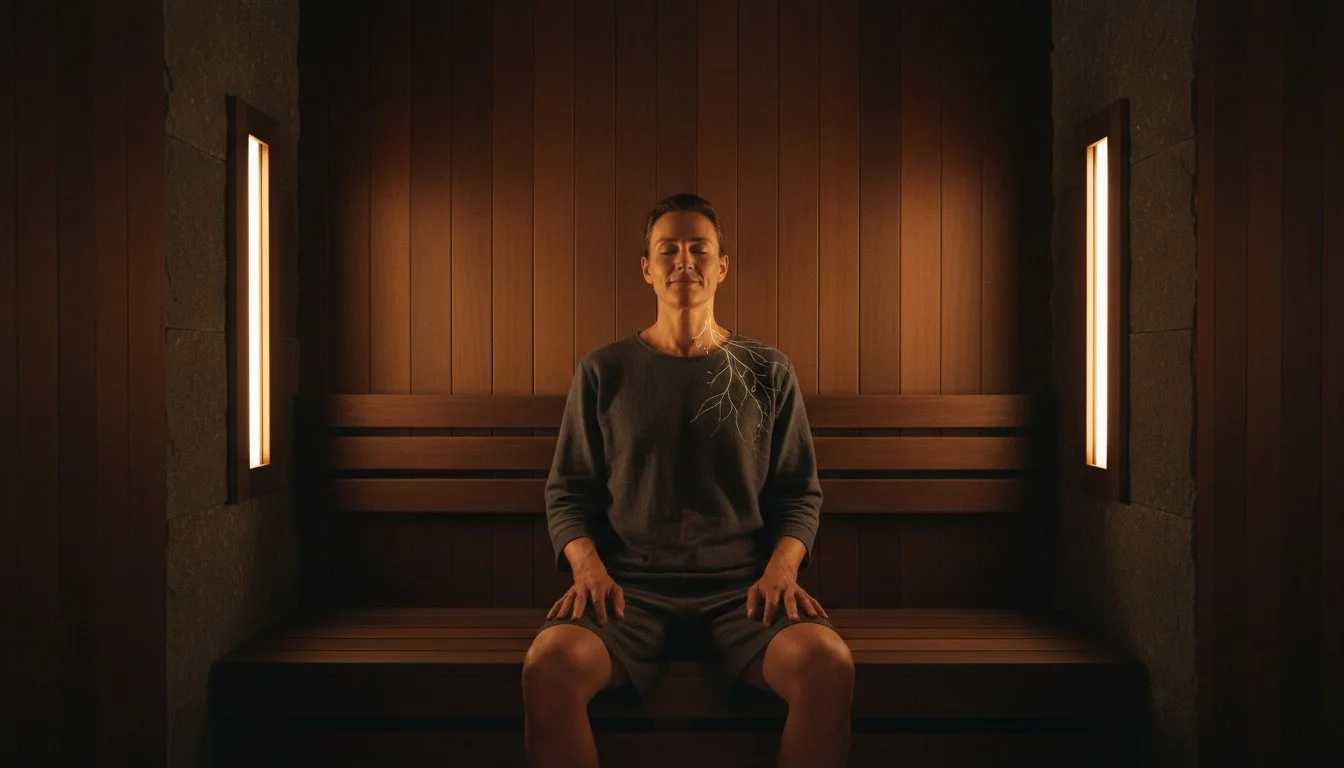
How infrared differs from a traditional sauna
Infrared equipment transfers energy by radiant heating; a traditional sauna relies more heavily on a hot environment, including heated air and surfaces. Both expose the body to heat. Lower air temperature does not mean there is no cardiovascular demand, and “deep penetration” language should not be turned into a promise of tissue repair.
Privacy changes the setting, not the evidence
A private suite offers a different social environment from a communal sauna. It may appeal to someone who wants fewer conversations or a shared booking with a companion, but privacy does not prove a greater physiological effect. Ask about the room, how to contact staff and how the sauna relates to the cold-plunge portion before booking.
Questions About This Topic
Does the appointment duration determine my exposure?
No. A room reservation includes time around the equipment and is not an instruction to stay in heat or water continuously. There is no required number of rounds.
Should I continue if I feel unwell?
No. Stop the exposure and seek help. Chest pain, fainting or severe breathing difficulty requires urgent medical attention, not another round or a wellness explanation.
Step into dry infrared warmth, then choose the sharp contrast of cold water in your own Fire & Ice suite. The appeal is the change in sensation and a visit shaped around your comfort,not an endurance challenge.
Infrared warmth and traditional sauna heat can feel different; neither needs to be framed as superior medical treatment. Follow staff instructions and stop if you feel unwell. Allow time to cool down and hydrate, without chasing a sweat target or treating sweating as detoxification.
- Consider the pace of the whole visit, including arrival, changing and the journey home.
- Choose warmth for the experience itself and follow the session instructions rather than trying to maximize heat or time.
Choose one manageable change and reassess how it fits your week, without expecting a fixed result from a session.
Leave a little space between the end of work and the start of a visit, so the journey itself does not become another deadline.
A useful reflection is whether the setting suited you and whether you would enjoy returning, rather than whether you met a physiological target.
Making Time for the Experience
Consider the pace of the whole visit, including arrival, changing and the journey home. Choose warmth for the experience itself and follow the session instructions rather than trying to maximize heat or time.
Check eligibility before booking. Solivana offers no experiences during the first trimester and no Pressotherapy during any pregnancy. Ask your clinician about participation if you have a health condition or relevant medication; staff can explain the experience but cannot provide medical clearance.
Track HRV only as one personal trend, using a consistent device and measurement routine. Exercise, illness, sleep and measurement conditions can affect readings. A single number cannot diagnose burnout, determine neural health or prove a session benefit.