
By SoliVana Wellness · May 21, 2026
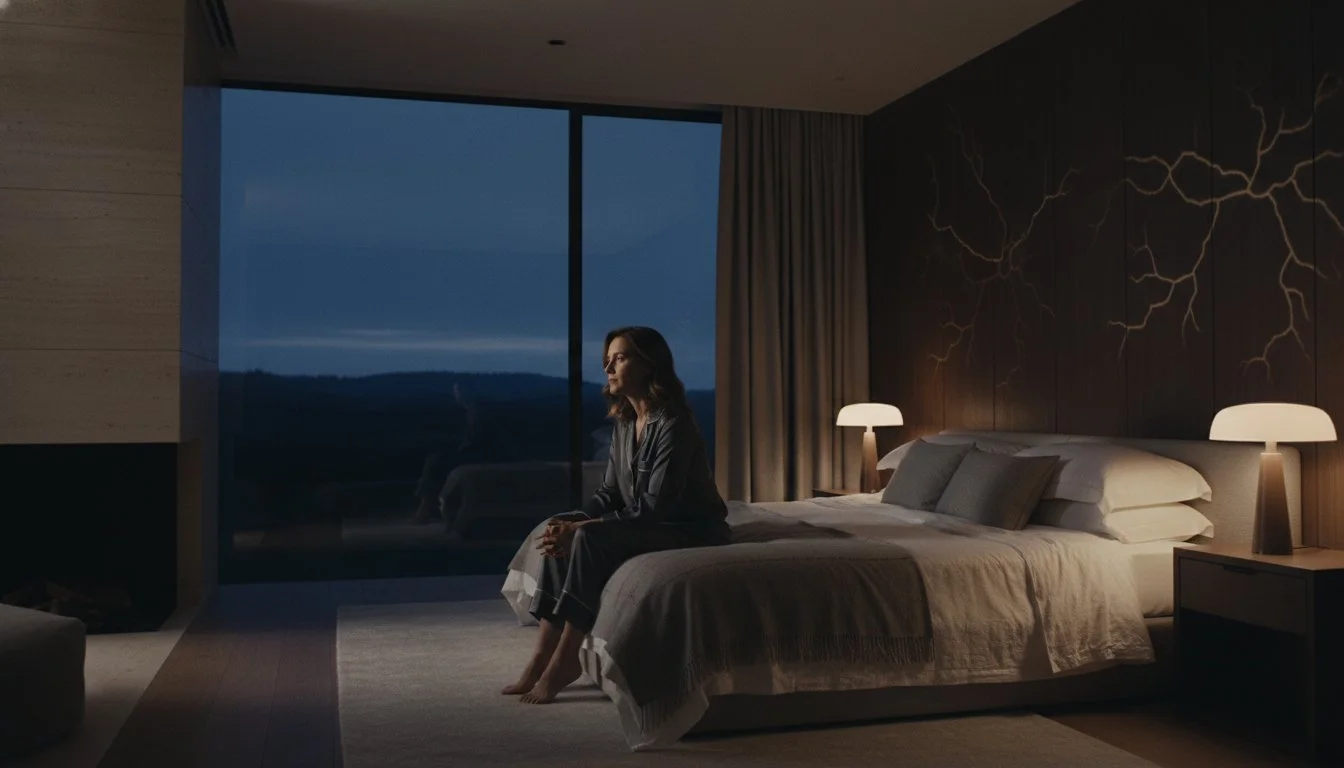
Why 3 a.m. is not a diagnosis
The earlier discussion linked overnight waking with cortisol and hyperarousal. Cortisol follows a daily rhythm, but the clock time of an awakening cannot establish a cortisol spike, adrenal problem or autonomic disorder. Bedtime, alcohol, caffeine, environment, pain, breathing problems and other factors may matter.
Brief awakenings can occur during ordinary sleep. The more useful questions concern frequency, difficulty returning to sleep, daytime effects and any other symptoms. A consistent pattern deserves appropriate assessment rather than a prescribed sensory “reset.”
Sleep architecture and the limits of a spa-based approach
Sleep cycles through non-REM and REM stages, and brief awakenings can occur between them. Sleep timing and continuity are influenced by circadian rhythms, sleep pressure, environment, substances and health. A poor night does not establish a cortisol disorder, and a wellness session cannot be assumed to increase deep sleep or repair sleep architecture.
Persistent difficulty sleeping warrants appropriate assessment. Cognitive behavioural therapy for insomnia is a clinical approach distinct from a relaxation session; suspected sleep apnea and other sleep conditions need their own evaluation. A quiet appointment can be chosen as leisure, but should not delay care or replace prescribed treatment.
Stress physiology without an operating-system diagnosis
The autonomic nervous system contributes to involuntary regulation such as heart rate, digestion and temperature responses. Sympathetic and parasympathetic activity are not simply a bad switch and a good switch: both support normal activity, and their functions are more complex than a single balance meter.
The HPA axis is involved in hormonal stress responses, but feeling exhausted does not tell you your cortisol level. “Nervous-system reset” is a wellness metaphor, not a literal reboot or an established diagnosis. Persistent symptoms deserve assessment rather than being attributed to a damaged vagus nerve or chronic sympathetic dominance.
Questions About This Topic
Should I book a session to fix cortisol?
No session here is established to diagnose or correct a cortisol disorder. Choose a visit as optional leisure while addressing persistent sleep concerns appropriately.
Waking at 3 a.m. is not a diagnosis or a reliable sign of a particular hormone pattern. Notice bedtime, caffeine and alcohol timing, room conditions and how often waking occurs. Persistent sleep disruption deserves a conversation with a clinician.
Choose one manageable change and reassess how it fits your week, without expecting a fixed result from a session.
Leave a little space between the end of work and the start of a visit, so the journey itself does not become another deadline.
- Waking at 3 a.m.
- is not a diagnosis or a reliable sign of a particular hormone pattern. Notice bedtime, caffeine and alcohol timing, room conditions and how often waking occurs. Persistent sleep disruption deserves a conversation with a clinician.
A useful reflection is whether the setting suited you and whether you would enjoy returning, rather than whether you met a physiological target.
Making Time for the Experience
Keep a consistent wake time and allow a low-stimulation transition toward bed. An optional wellness appointment should fit that routine, not replace sleep or clinical care. There is no promised number of sessions that will resolve insomnia or correct a hormone pattern.
Check the current booking menu and membership terms before committing. Compare the actual session and scheduling value, not a projected health or productivity return. HSA or FSA eligibility depends on individual plan rules and should not be assumed.
Track HRV only as one personal trend, using a consistent device and measurement routine. Exercise, illness, sleep and measurement conditions can affect readings. A single number cannot diagnose burnout, determine neural health or prove a session benefit.
REST Float offers buoyant, low-stimulation time away from screens and conversation. Let your attention settle without trying to achieve a particular mental state. Floating is available from age 14; guests under 18 require a guardian. The salt water is part of the setting, not an established way to supplement magnesium.
Photobiomodulation research examines particular light sources, doses and outcomes. A mechanism discussed in that research does not establish benefits for the device or session offered here. For a Red Light Experience, follow the actual device instructions, including eye protection guidance, and check photosensitivity and medication concerns beforehand.