
By SoliVana Wellness · February 23, 2026
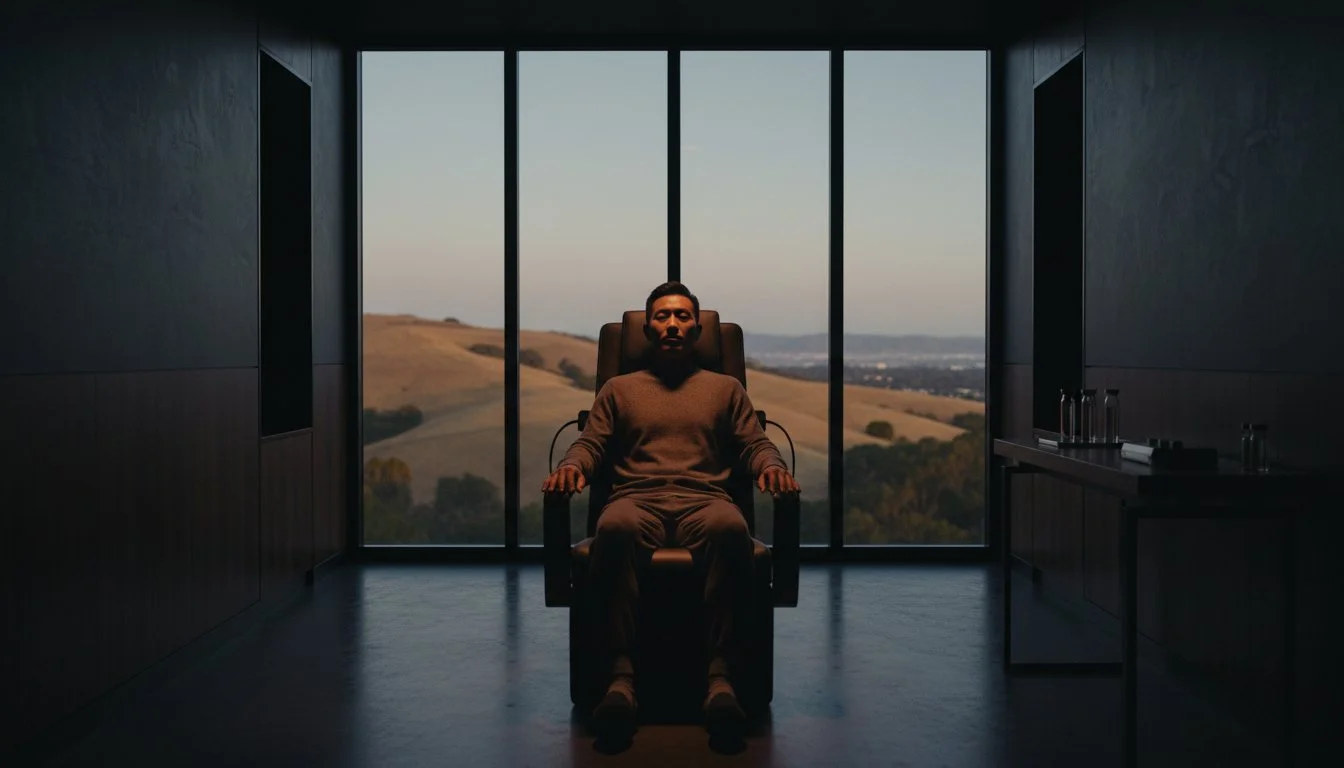
Compare the experience, not the technology vocabulary
The earlier discussion presented float, contrast and light equipment as an integrated recovery “stack.” These modalities act through different physical inputs: buoyant water, thermal exposure and light. Combining them does not establish synergy or a clinical recovery protocol.
Terms such as ATP, mitochondrial support and cellular voltage describe areas of biology or research, not proof that a spa visit fixes an underlying deficiency. Ask what is directly experienced, which device is used and what outcome has actually been studied.
A useful checklist for Bay Area visitors
Consider privacy, staff orientation, accessibility, cleaning procedures and the time between appointments. A polished environment can be pleasant without proving a stronger physiological effect. Review each modality’s precautions separately; a person comfortable with floating may not be suitable for cold exposure or patterned light.
For work-heavy weeks or sports weekends, choose around the real schedule rather than an executive or athletic package name inherited from an older article. Current experience and package pages are the place to confirm what can be booked.
Questions About This Topic
Is a biohacking spa a clinic?
Not by virtue of the name. Wellness sessions do not provide a diagnosis or replace medical assessment.
Should I combine several experiences at once?
There is no universal optimal stack. Understand each session and its suitability first, and do not interpret a larger purchase as a stronger health intervention.
Keep the first visit simple. Choose one experience, leave room for preparation and changing, and note what was comfortable or inconvenient afterward. Those observations can guide another visit without turning rest into a performance test.
Wellness experiences can sit alongside ordinary leisure and appropriate healthcare. They do not need to outperform time outdoors, a quiet evening or another preferred form of rest to be worth choosing. Select what fits your interests and budget.
Choosing Your Visit
- REST Float takes place in a private suite, while Salt Room Halotherapy is communal and may be shared. If privacy is important, ask about the specific experience, changing arrangements and handling of personal information before booking; a private room does not establish a confidentiality or soundproofing guarantee.
A demanding work schedule can make protected downtime difficult to arrange. Put the appointment in a realistic gap, allow for the journey and resist packing every spare minute with another task. The value is dedicated time away from everyday demands.
A useful wellness plan starts with preferences you can describe: quiet or sensory stimulation, a short appointment or a longer break, time alone or a shared setting. Compare the actual format and practical requirements before choosing an experience.
Understanding the Context
Personal tracking can be useful for noticing patterns, but a wearable reading does not diagnose burnout or establish that a session changed nervous-system function. Consider the wider context, including work demands, daily habits and any symptoms that need professional assessment.
Avoid turning heat or cold into an endurance challenge. Discuss suitability, temperature sensitivity and the option to skip the plunge before purchasing. Stop if you feel unwell; an appointment length is not an instruction to remain in either temperature continuously.
Choose a REST Float length that fits your day: 45, 60, 75, 90 or 120 minutes, at standard prices of $110, $130, $150, $170 or $210 respectively. Leave time around the water portion for showering and changing, and avoid rushing straight into another commitment.
Making Time for the Experience
Fire & Ice Contrast pairs an infrared sauna with a 48–54°F cold plunge in a private suite. It is a distinctly different experience from a steam bath: compare how you feel about dry warmth and cold water before deciding which setting appeals to you.
Photobiomodulation research depends on wavelength, dose, device and the condition studied. A finding from a particular clinical setup does not establish that a wellness appointment repairs tissue, reverses ageing or accelerates recovery. Check photosensitivity, medications and eye concerns before booking.
No Solivana experience is booked during the first trimester. Later in pregnancy, check with your OB/GYN or midwife before booking any experience. Pressotherapy is not booked at any stage of pregnancy. For a possible float, discuss comfort, entry and exit and your individual circumstances rather than assuming that buoyancy makes it suitable.
Choose biohacking-labelled experiences by their actual equipment, format and precautions, not as interventions for the root causes of burnout. A wellness visit can provide time away from demands but does not establish physiological restoration.
Enclosed spaces feel different to different people, so a float is not automatically comfortable for someone with claustrophobia. All three rooms use the same tanks; there is no adjustable canopy. You control lighting and music. Ask about the setup and entry and exit before deciding whether to book.
There is no established Solivana session count or schedule that guarantees a health result. Start with a visit that fits your interests, budget and suitability, then decide whether the experience is something you want to repeat. Avoid buying a series on the expectation of a particular biomarker change.
The small Fire & Ice room accommodates 1–2 people for 45, 60 or 90 minutes. The large room accommodates up to 4 people for 60 minutes, with a 30-minute extension available. Choose the room and time around your party rather than an assumed health target.
Before heat or cold exposure, consult your clinician about cardiovascular conditions, blood-pressure disorders, medications or pregnancy. Do not use a plunge to test whether symptoms will go away. Bring questions about entry, exit and time between the sauna and water.